

Understanding the Role of a Destination Photographer
What is a Destination Photographer?
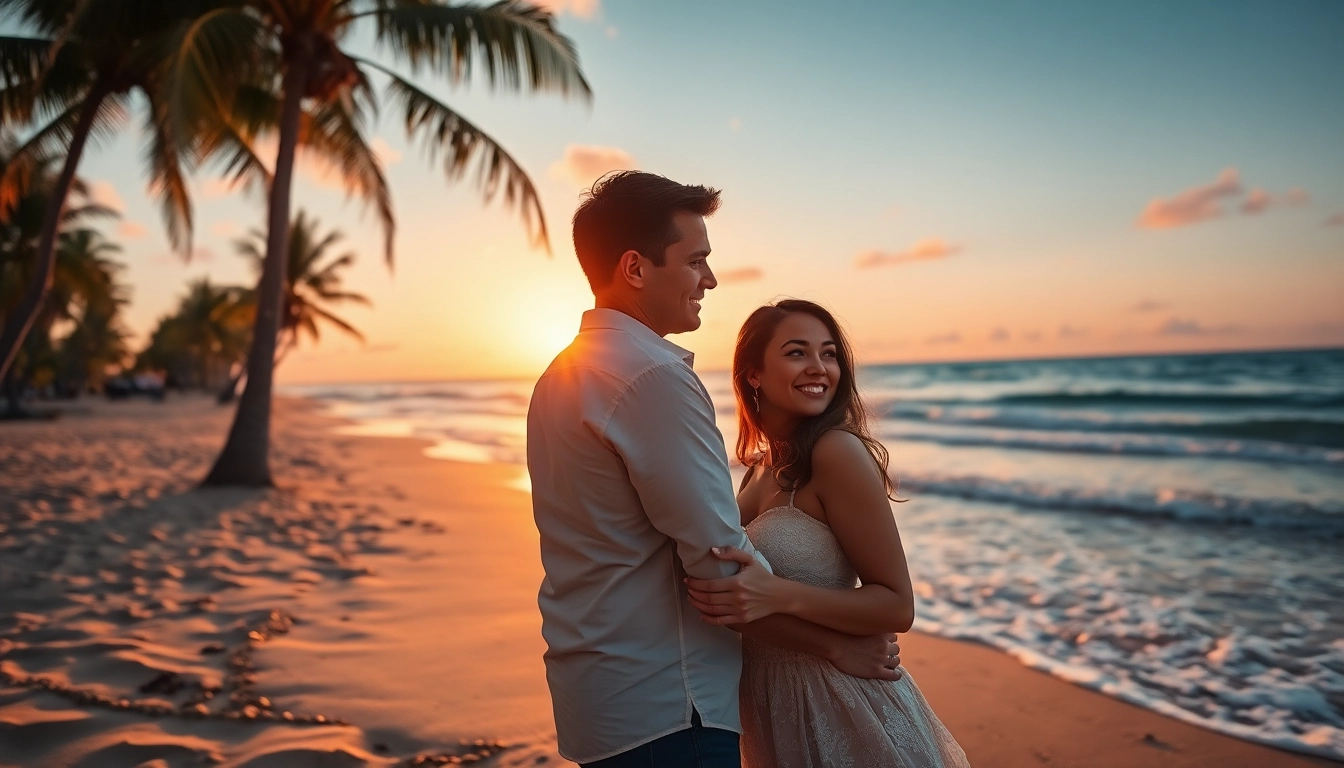
A Destination photographer specializes in capturing images at locations chosen for their intrinsic beauty or cultural significance, beyond the usual studio or local settings. These professionals often travel to various parts of the world to document events such as weddings, family gatherings, or personal milestones against breathtaking backdrops, showcasing not just the clients but also the stunning environmental context in which these moments occur.
The Importance of Location
Location is the heart of destination photography. It can shape the theme and narratives of the images captured. Unique landscapes, architectural marvels, and cultural environments can evoke emotions and create visual stories that are both compelling and memorable. Understanding the significance of a chosen locale allows a destination photographer to creatively incorporate the essence of the environment into their work, enhancing the final product and enriching the client’s experience.
Skills Required for Destination Photography
Being a successful destination photographer requires a versatile skill set, which includes:
- Technical Proficiency: Mastery of camera settings, lighting, and composition.
- Creativity: The ability to see and capture unique perspectives and moments.
- Adaptability: Adjusting to various weather conditions and unexpected challenges.
- Cultural Sensitivity: Understanding and respecting local customs to ensure authentic representation.
Choosing the Perfect Locations
Researching Ideal Destinations
Thorough research is pivotal when selecting locations for shooting. This may involve analyzing online resources, consulting travel blogs, and utilizing photography websites for inspiration. A destination photographer should identify places that not only resonate with clients’ visions but also offer rich storytelling elements. Travel forums and social media networks can provide insights from other photographers who have shot in those locations.
Understanding Local Culture
It’s essential for destination photographers to immerse themselves in the local culture of their chosen location. Understanding local customs, traditions, and the community’s values can inform how to approach the photography session, ensuring culturally appropriate representation. This not only enriches the photographs but also honors the culture being depicted.
Permits and Regulations
Before shooting in any location, destination photographers must familiarize themselves with necessary permits and regulations. Some venues, especially national parks or historic sites, mayor may not need special permits for photography. Engaging with local authorities can streamline this process and avoid potential legal or logistical complications on the day of the shoot.
Equipment Essentials for a Destination Photographer
Choosing the Right Camera Gear
The gear you select greatly influences the quality of your work. Key equipment typically includes:
- Camera Body: Full-frame DSLRs or mirrorless cameras are preferable due to their superior low-light performance and dynamic range.
- Lenses: A variety of lenses, including wide-angle for landscapes and primes for portraits, enhances versatility.
- Stabilizers: Gimbals or tripods are essential for capturing steady images, especially in challenging terrains.
Pack Smart: Travel Gear for Photographers
A destination photographer must pack efficiently. Using a versatile camera bag that allows for quick access to gear while ensuring protection is vital. Additionally, incorporating packing cubes can keep equipment organized. It’s also advisable to carry extra batteries, memory cards, and a portable charger to ensure readiness throughout the shoot.
Utilizing Technology and Apps
Modern technology offers numerous apps to enhance destination photography. Weather apps can assist in planning for the best shooting conditions, while photo editing apps allow for real-time adjustments. Location-based apps can help identify the best spots within a destination, ensuring no hidden gems are missed.
Mastering Technique in Diverse Environments
Adapting to Unique Lighting Conditions
Natural lighting can vary dramatically, influencing the feel of photographs. For example, golden hour provides a warm, diffused light ideal for soft portraits. Photographers should practice techniques for both bright sunlight and overcast conditions to master exposure, shadows, and highlights, ensuring the best outcome regardless of circumstances.
Finding the Best Angles and Perspectives
Experimenting with various angles can significantly alter the outcome of a photograph. Whether using high vantage points, shooting through natural frames, or incorporating foreground elements, a destination photographer should explore creative compositions that capture the essence of a location while engaging the viewer visually.
Post-Processing for Different Settings
Post-processing is where a photographer can refine their images into stunning works of art. Understanding how to use software like Adobe Lightroom and Photoshop is crucial, with techniques tailored to enhance the specific characteristics of diverse environments, whether emphasizing vibrant colors in a beach setting or bringing out textures in an urban landscape.
Building Your Brand as a Destination Photographer
Creating a Stunning Portfolio
A well-curated portfolio showcases your unique style and strengths as a destination photographer. Focus on diversity in your collection, displaying a range of locations, lighting conditions, and subject matters. High-quality images that tell compelling stories will resonate with potential clients and help to establish a professional identity.
Marketing Strategies for Visibility
To attract clients, it’s essential to deploy targeted marketing strategies. Building an online presence through a professional website and active social media accounts can amplify visibility. Collaborations with local businesses or influencers can expand reach, while search engine optimization (SEO) practices can ensure your content appears in relevant searches, enhancing your brand’s online footprint.
Engaging with Clients and Networking
Client engagement and networking play vital roles in establishing credibility and gaining referrals. Cultivating relationships through personalized communication, offering consultations, and delivering an exceptional experience can lead to repeat business and recommendations. Attending workshops and photography conferences can also provide valuable networking opportunities within the industry.
FAQs About Being a Destination Photographer
What makes a destination photographer different from a regular photographer?
A destination photographer specializes in capturing images in unique locations, incorporating local culture and landscapes, while a regular photographer might focus on studio or local settings.
Do I need special equipment for destination photography?
While standard camera equipment works, having sturdy, lightweight gear along with backup items like batteries and memory cards is essential for successful destination photography.
How can I find the best locations for my shoots?
Researching travel blogs, photography forums, and social media can help identify ideal locations, along with understanding best times for shooting in those areas.
What are common challenges faced by destination photographers?
Challenges include unpredictable weather, equipment issues, and cultural sensitivity. Preparing for these can help mitigate potential problems during shoots.
How can I improve my destination photography skills?
Practice is key. Experiment with different settings, lighting conditions, and learn from critiques. Engaging in workshops can provide valuable insights and techniques.