Understanding Stress and Anxiety
In today's fast-paced world, understanding stress and anxiety has never been more crucial. These are complex emotional responses that can profoundly affect our mental and physical health. It is vital to delve into what constitutes stress and anxiety, explore their common triggers, and recognize the symptoms that may indicate underlying issues. By equipping ourselves with the right knowledge and tools, we can better manage these emotional burdens.
What Are Stress and Anxiety?
Stress is a natural response to perceived threats or challenges in our environment. It triggers the body's fight-or-flight response, releasing hormones such as adrenaline and cortisol. In contrast, anxiety is characterized by persistent worry or fear, often occurring without a specific trigger. While stress can be a short-term reaction, anxiety may become chronic if not addressed properly. Understanding these distinctions is essential for effective management.
Common Causes of Stress and Anxiety
Stress and anxiety can stem from numerous sources that vary from person to person. Common causes include:
- Work-related pressures: Job demands, deadlines, and workplace conflicts are significant stressors.
- Personal relationships: Family issues, romantic conflicts, and social interactions can create tension.
- Financial concerns: Economic instability, debt, and unexpected expenses often lead to anxiety.
- Health issues: Chronic illnesses or sudden health scares can trigger both stress and anxiety.
- Life transitions: Major changes, such as moving, starting a new job, or experiencing loss, can be challenging.
Physical and Emotional Symptoms
Stress and anxiety manifest physically and emotionally. Recognizing these symptoms is crucial to address them effectively:
- Physical symptoms: These may include headaches, fatigue, muscle tension, digestive issues, and elevated heart rate.
- Emotional symptoms: Individuals may experience irritability, restlessness, sadness, or feelings of overwhelm.
Being aware of these symptoms can facilitate earlier intervention and treatment options.
Recognizing the Impact of Stress and Anxiety
The impact of stress and anxiety extends beyond individual experiences, affecting overall well-being and quality of life.
Effects on Mental Health
Prolonged stress and anxiety can lead to more serious mental health issues such as depression, panic disorders, and PTSD. These conditions can exacerbate feelings of hopelessness and reduce one's ability to cope with life's demands. Building awareness of these potential outcomes is vital for individuals and caregivers.
Consequences on Physical Well-being
Chronic stress can lead to substantial health problems. Individuals may develop cardiovascular issues, weakened immune systems, and gastrointestinal disorders. The connection between psychosocial factors and physical health underscores the critical need for comprehensive strategies to manage stress and anxiety.
How Stress and Anxiety Affect Daily Life
In daily life, unaddressed stress and anxiety can hinder personal wellbeing and productivity. Individuals may find it challenging to focus at work, maintain relationships, and engage in social activities. Poor sleep patterns and unhealthy coping mechanisms, like overeating or substance abuse, can arise, creating a cycle of negativity that further exacerbates the situation.
Practical Techniques for Managing Stress and Anxiety
Fortunately, numerous practical techniques can help manage stress and anxiety effectively. Implementing even a few of these strategies can lead to significant improvements in overall well-being.
Mindfulness and Meditation Practices
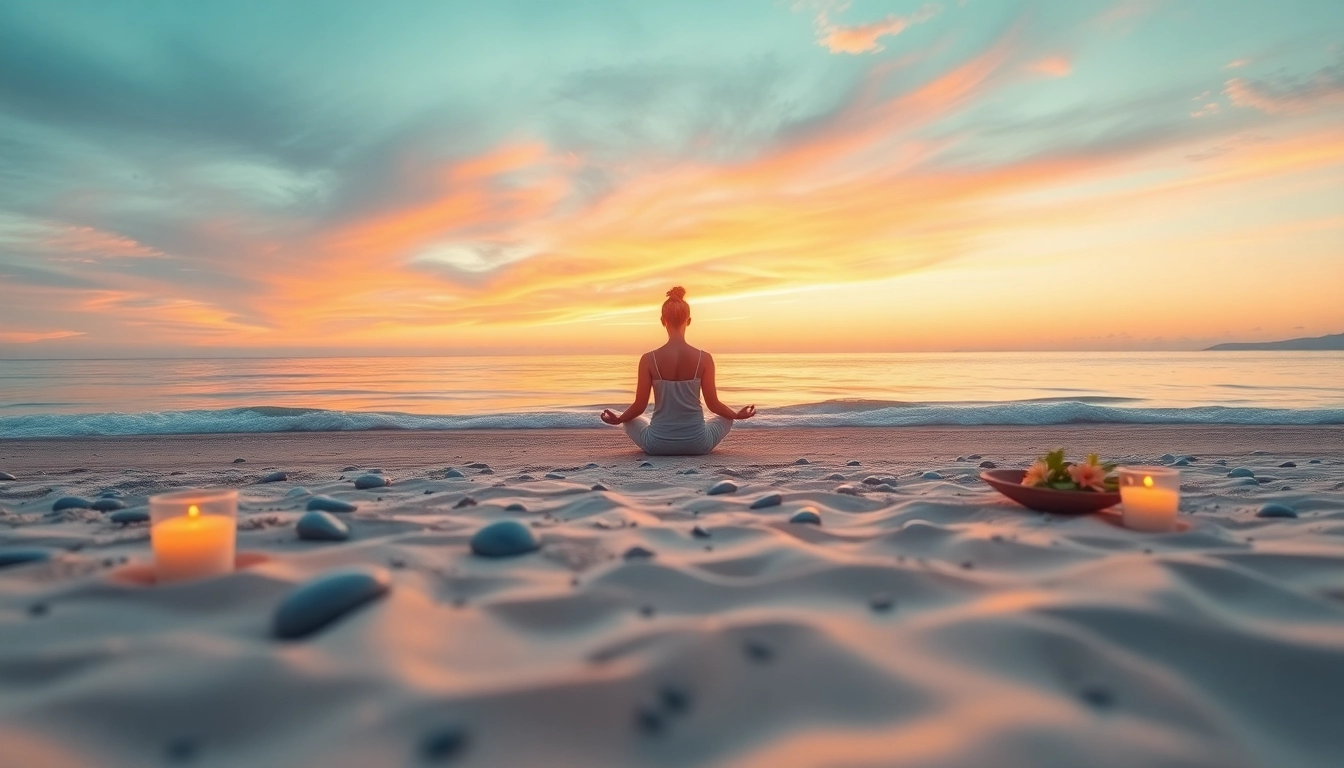
Mindfulness involves maintaining a present-centered awareness without judgment. Techniques such as meditation, deep-breathing exercises, and guided imagery have been shown to reduce symptoms of stress and anxiety. Regular practice can enhance emotional regulation and improve overall mental resilience. Dedicated mindfulness apps and classes can aid beginners in this journey.
Physical Activities That Relieve Stress
Physical exercise is a powerful antidote to stress and anxiety. Engaging in aerobic activities such as jogging, swimming, or dancing releases endorphins, which enhance mood. Weight training and yoga also promote mental clarity and relaxation. It is recommended to aim for at least 150 minutes of moderate exercise each week for maximum benefits.
Developing Healthy Coping Mechanisms
Healthy coping strategies are integral to managing stress and anxiety. Creative outlets like writing, painting, or music offer emotional release, while social interactions with supportive friends and family provide validation and comfort. Establishing a daily routine that includes sufficient rest, nutrition, and leisure activities is another key strategy for maintaining balance.
Seeking Professional Help for Stress and Anxiety
When self-help strategies prove ineffective, seeking professional guidance may be necessary. Mental health professionals can provide essential support and tailored interventions.
When to Consult a Professional
Individuals should consider consulting a professional if stress and anxiety become overwhelming, persist for an extended period, or disrupt daily functioning. Signs may include a lack of interest in previously enjoyed activities, persistent sadness, or increased reliance on substances.
Types of Therapy Available
Various therapeutic approaches can aid individuals facing stress and anxiety:
- Cognitive Behavioral Therapy (CBT): Focuses on identifying negative thought patterns and replacing them with healthier ones.
- Exposure Therapy: Gradually exposes individuals to anxiety-triggering situations in a safe environment.
- Supportive Therapy: Offers emotional support and encouragement while exploring feelings and thoughts.
Finding the right therapeutic fit is critical for success.
Benefits of Support Groups
Support groups provide a sense of community for individuals facing similar struggles. Sharing experiences fosters understanding and connection, reducing feelings of isolation. Participants often gain insights from peers, which can be instrumental in developing coping strategies and improving mental health.
Long-term Strategies for Maintaining Well-being
To sustain emotional balance, individuals must actively integrate long-term strategies into their lives.
Importance of Healthy Routines
Establishing consistent daily routines serves as a foundation for emotional health. Prioritizing sleep hygiene, nutritious meals, and regular exercise fosters resilience against stress and anxiety. Routines instill a sense of predictability and control, which can be stabilizing during uncertain times.
Building a Supportive Environment
Surrounding oneself with supportive individuals is vital for coping. Whether through family bonds, friendships, or professional networks, maintaining these relationships can provide encouragement and accountability. Open communication fosters trust, creating an environment conducive to emotional sharing.
Continued Learning and Self-Improvement
Embracing lifelong learning can increase self-efficacy and provide new coping strategies. Pursuing new hobbies, attending workshops, or reading self-help literature can enhance both skills and confidence, making it easier to handle stress and anxiety. Continuous improvement fosters personal growth and adaptability.
Frequently Asked Questions
What are the main symptoms of stress and anxiety?
Main symptoms include irritability, fatigue, sleep disturbances, muscle tension, and difficulty concentrating. Individuals may also experience physical ailments such as headaches and gastrointestinal issues.
Can stress and anxiety affect physical health?
Yes, chronic stress and anxiety can lead to various health issues, including cardiovascular disease, weakened immune systems, and digestive problems. Managing these conditions is crucial for overall health.
When should I seek professional help for stress and anxiety?
You should seek help if stress and anxiety interfere significantly with daily life, persist for an extended period, or lead to harmful coping behaviors such as substance abuse or social withdrawal.
What role does mindfulness play in managing stress?
Mindfulness helps individuals remain present and aware without judgment, reducing anxiety levels. Regular practice can enhance emotional regulation and promote mental clarity.
How can physical activity help reduce stress and anxiety?
Physical activity releases endorphins, which improve mood. It also reduces muscle tension, promotes better sleep, and provides a constructive outlet for stress relief, thereby counteracting stress and anxiety.