
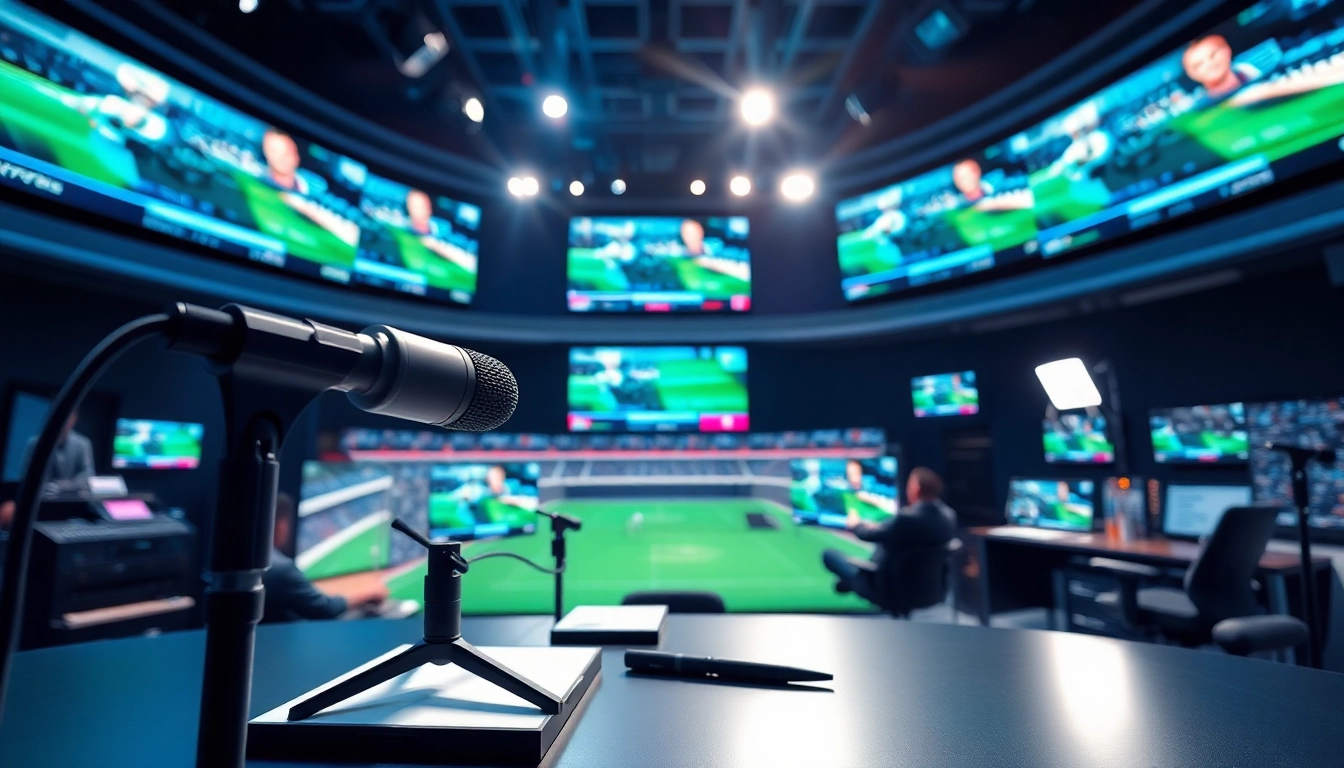
Understanding the Fundamentals of Sports Broadcasting
History and Evolution of Sports Broadcasting
Sports broadcasting has undergone a remarkable transformation since its inception. The journey began in the early 20th century with the advent of radio. The first live sports broadcast occurred in 1921, showcasing a boxing match. This innovative leap allowed sports enthusiasts to listen to their favorite events from afar. By the 1950s, television became the main medium for sports broadcasting, revolutionizing how fans experienced games. The introduction of color television in the 1970s further enhanced viewer engagement, making the experience more vivid and immersive.
As technology advanced, so did sports broadcasting. The 1980s brought cable television, leading to an explosion of sports channels and specialized broadcasts. The late 1990s and early 2000s saw the rise of digital broadcasting, with high-definition (HD) and, eventually, ultra-high-definition (UHD) streams. Today, Sports Broadcasting is not limited to traditional platforms; streaming services have emerged, allowing fans to watch games on their devices anytime, anywhere.
Key Roles in Sports Broadcasting
Within the realm of sports broadcasting, several key roles contribute to a successful broadcast. Each participant brings specific skills and expertise that enhance the viewing experience:
- Commentators: These are the voices that narrate the action, providing play-by-play commentary while adding color and insights into the game.
- Producers: Responsible for coordinating the entire broadcast, producers oversee everything from content selection to live coverage logistics.
- Directors: Directors manage the technical aspects of the broadcast, including camera angles and transitions between scenes.
- Technical Staff: This group ensures that all equipment functions properly, handling everything from cameras to sound systems.
- Analysts: Often ex-professional athletes or coaches, analysts provide in-depth analyses and opinions, enriching the audience's understanding of strategies and techniques.
Essential Equipment and Technology
The effectiveness of sports broadcasting is heavily reliant on state-of-the-art equipment and technology. Essential tools include:
- Cameras: Multiple cameras capture different angles of the action, from close-ups of players to wide views of the field.
- Microphones: Quality sound representation is achieved through various microphones, including lapel mics for commentators and shotgun mics for ambient sounds.
- Graphics Software: Used to overlay statistics, scores, and player information in real time, enhancing the viewer's comprehension of the event.
- Broadcasting Software: This includes platforms that manage streaming, video editing, and live switching between feeds.
Techniques for Effective Sports Commentary
Researching and Preparing for Broadcasts
Preparation is key to delivering effective sports commentary. Broadcasters must conduct thorough research on the teams, players, and recent game performances. This information forms the backbone of insightful commentary and helps create context for the viewers. It’s essential for commentators to stay up-to-date with injuries, historical matchups, and fan reactions to draw relevant connections during broadcasts.
Developing a Unique Commentary Style
A distinctive commentary style sets broadcasters apart. Developing this style involves experimenting with different tones, pacing, and delivery methods. Some commentators lean towards humor, while others rely on analytical insights. Ultimately, finding a balance that resonates with the audience is crucial. Effective commentators also adapt their style to the pace of the game, maintaining energy and enthusiasm to keep viewers engaged.
Engaging Viewers Through Storytelling
Storytelling is a powerful tool in sports commentary. Broadcasters can draw parallels between the game at hand and broader narratives—team rivalries, player backgrounds, or historical matches. This storytelling enriches the viewer's experience, transforming a simple game into a captivating narrative. Personal anecdotes and emotional moments can significantly enhance engagement, creating a connection with the audience.
Trends Reshaping the Sports Broadcasting Landscape
Growth of Streaming Platforms
The rise of streaming platforms has dramatically reshaped sports broadcasting. Fans are no longer constrained by cable subscriptions and can access games through various services that offer flexibility and affordability. This shift allows for niche sports to gain visibility, catering to diverse audiences that traditional broadcasting may overlook. Subscription models and advertising revenue are evolving as sports networks adapt to these changes.
Impact of Social Media on Broadcasting
Social media has revolutionized how sports content is consumed and shared. Highlights, clips, and commentary snippets are readily available on platforms like Twitter, Instagram, and TikTok, allowing broadcasters to reach younger audiences. Broadcasters also leverage these platforms for real-time interactions during games through live tweets, polls, and behind-the-scenes content, enhancing viewer engagement and participation.
Technological Innovations in Broadcasting
Continuous technological innovations are transforming the broadcasting landscape. Virtual reality (VR) and augmented reality (AR) enhance the viewing experience, providing fans immersive interactions with games. Additionally, advanced analytics tools allow broadcasters to share real-time statistics and insights, deepening viewer understanding of gameplay dynamics. As these technologies evolve, they open new avenues for audience engagement and storytelling opportunities.
Overcoming Common Challenges in Sports Broadcasting
Managing Live Broadcast Pressures
Managing the pressures of live broadcasting is a significant challenge for commentators and producers. The dynamic nature of live sports means that decision-making must often be instantaneous. To mitigate this pressure, broadcasters must engage in meticulous pre-broadcast planning. This preparation enhances confidence, allowing them to focus on delivering quality commentary rather than worrying about unforeseen complications.
Adaptation to Unexpected Situations
Unforeseen events, like unexpected player injuries or technical issues, require quick adaptation. Broadcasters must rely on their training and experience, maintaining composure while providing valuable commentary. Developing a solid contingency plan, such as rehearsing potential scenarios during practice sessions, equips broadcasters to handle unexpected occurrences effectively.
Ensuring Audience Engagement
Audience engagement is critical for ratings and sponsorships. To maintain viewer interest, broadcasters should utilize interactive elements, such as viewer polls and social media Q&A sessions, during broadcasts. By actively involving the audience in discussions and encouraging feedback, broadcasters can create a community around their programming, fostering loyalty and long-term viewership.
Measuring Success in Sports Broadcasting
Key Performance Indicators to Track
Measuring the success of sports broadcasts requires tracking various key performance indicators (KPIs). Viewership numbers, audience demographics, and engagement metrics such as comments and shares on social media are essential. Advertisers typically look for ratings, which shows the broadcast's reach and engagement level, influencing future sponsorship deals.
Viewer Feedback and Adaptation
Understanding viewer feedback is integral to refining broadcast strategies. Surveys and social media interactions can provide insights into audience preferences and expectations. By adapting content to meet viewer demands, broadcasters can enhance retention rates and improve the quality of future broadcasts, creating a more appealing product.
Continuous Improvement Strategies
To remain competitive, ongoing improvement is vital in the sports broadcasting industry. Broadcasters should engage in regular training and development to hone their skills, staying ahead of industry trends and technologies. Implementing feedback mechanisms enables teams to adapt and innovate continuously, ensuring they provide high-quality, engaging broadcasts.
FAQs
What are the essential skills for sports broadcasters?
Essential skills include strong communication, deep sports knowledge, adaptability, and the ability to engage audiences effectively.
How has technology changed sports broadcasting?
Technology has introduced high-definition visuals, real-time analytics, and various platforms for streaming and interaction, enhancing the viewer experience.
What are key roles involved in sports broadcasting?
Key roles include commentators, producers, directors, and technical staff, each essential for delivering a successful broadcast to viewers.
How do broadcasters handle unexpected events live?
Broadcasters prepare through extensive research and training, enabling them to adapt quickly to unforeseen developments during live broadcasts.
Why is viewer engagement important in sports broadcasting?
Viewer engagement is crucial for ratings and sponsorships, helping broadcasters grow their audience and build a community around their content.