Introduction to Canton Farmhouse Design
The Canton Farmhouse style represents a beautiful blend of tradition and modernity in architectural design. Rooted in American history, farmhouses have evolved significantly while retaining their rustic charm. This guide aims to explore the essence of Canton Farmhouse design, highlighting its key features, and providing insights into the architectural elements that make it a unique choice for homeowners today.
What Defines a Canton Farmhouse?
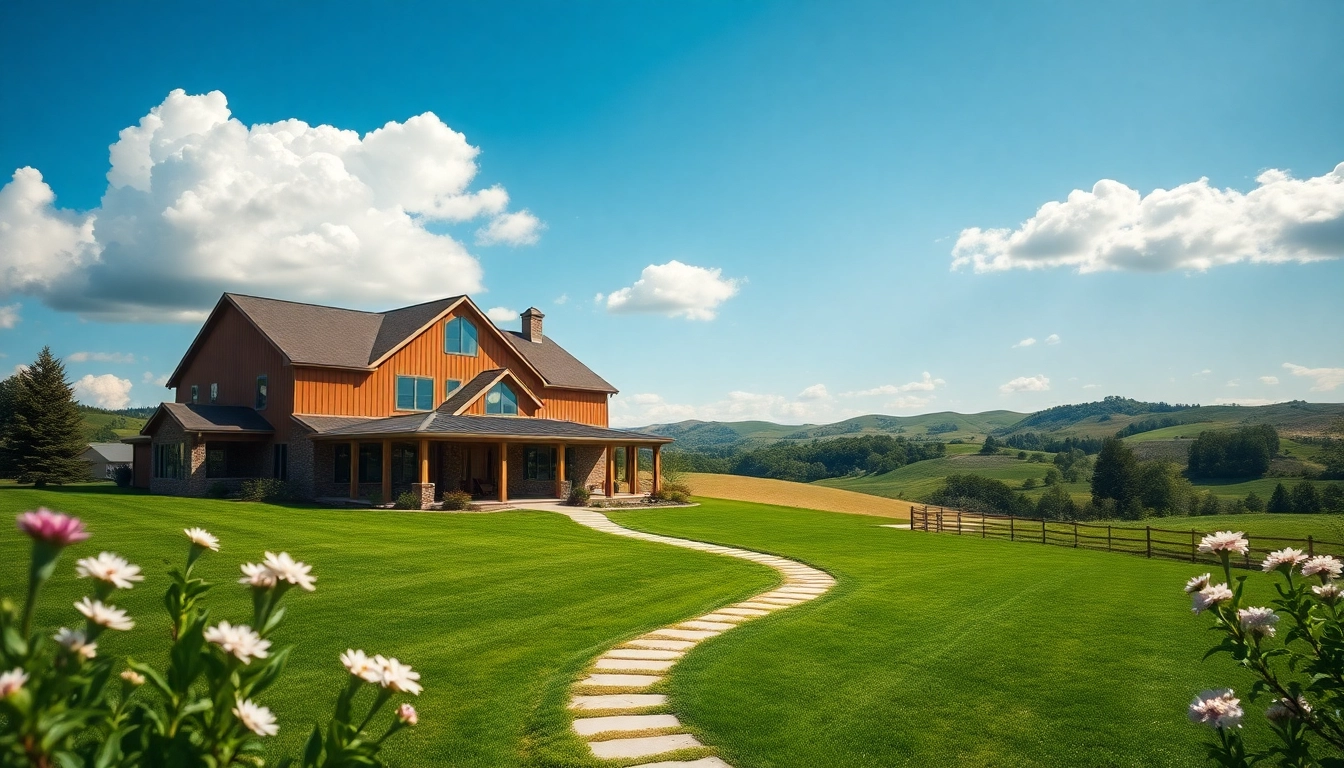
A Canton Farmhouse is distinguished by its classic, straightforward structure and a welcoming atmosphere. Typically characterized by a large front porch and a functional layout, this style embodies the essence of rural living while embracing contemporary comforts. The design emphasizes practicality blended with aesthetic appeal, often featuring large windows that invite natural light, making the space feel larger and more connected to the outside world.
Key Features of Canton Farmhouses
One of the most defining features of a Canton Farmhouse is its open floor plan that encourages social interactions among family members. Other notable characteristics include:
- Front Porches: Wrap-around porches are common, providing outdoor living space and enhancing curb appeal.
- Gabled Roofs: The steep pitch of the roofs not only provides architectural strength but also adds visual interest.
- Natural Materials: Use of wood, stone, and metal finishes embodies the connection to nature prevalent in farmhouse design.
- Large Windows: Ample daylight is invited into interior spaces through oversized windows, creating a bright and airy feel.
Historical Significance of Canton Farmhouses
Canton Farmhouses have historical roots tracing back to the agricultural developments in the United States during the 18th and 19th centuries. Originally designed to accommodate farming families, these homes were built with utility in mind. Over time, as societies shifted from farming to suburban living, the style adapted, manifesting modern enhancements while still honoring its origins. Today, the Canton Farmhouse symbolizes a return to simpler times and sustainable living in a world increasingly dominated by urbanization.
Architectural Elements of Canton Farmhouse
The architectural design of a Canton Farmhouse is celebrated for its simplicity and functionality. However, the aesthetics are complemented by carefully chosen materials and thoughtful layout. Understanding these elements is crucial for anyone looking to embrace this style in their own home.
Understanding Exterior Materials
Choosing the right materials is fundamental in defining the personality of the Canton Farmhouse. Commonly used materials include:
- Wood: Frequently utilized for framing and siding, wood brings warmth and a natural feel, perfect for blending into rural landscapes.
- Stone: Stone complements wooden elements beautifully, providing durability and a foundation of timelessness.
- Metal: Used for roofing and sometimes accent details, metal adds a contemporary edge while ensuring longevity.
When selecting materials, consider local sourcing as a way to reduce environmental impact and maintain visual continuity with the surrounding environment.
Exploring Interior Layouts
The interior layout of a Canton Farmhouse is typically open and flowing, aimed at maximizing social interaction and family togetherness. Key features of such layouts include:
- Central Living Spaces: Common areas are usually in the middle of the house, linked directly to dining and kitchen spaces.
- Flexible Room Usage: Rooms are often designed to be multi-functional, catering to the varying needs of the household.
- Strategic Zoning: Design elements guide circulation, with clear transitions from public to private areas, making the space user-friendly.
Modern Canton Farmhouses may also incorporate smart home technology to enhance the living experience, providing an ideal balance between tradition and innovation.
Integrating Modern Amenities
While retaining their traditional look and feel, modern Canton Farmhouses can include several contemporary amenities. Efficient appliances, energy-efficient windows, and sustainable materials not only boost the home's value but also contribute to reduced energy consumption. Moreover, integrating smart home technologies such as automated lighting and security systems aligns with the modern homeowner's preferences for convenience and security.
Landscaping Around the Canton Farmhouse
Landscaping plays a critical role in enhancing the overall aesthetics of the Canton Farmhouse. Thoughtful outdoor design complements the home's architecture while promoting sustainability.
Choosing the Right Flora
Selecting appropriate plant life is essential in creating an inviting and cohesive outdoor environment. Ideal flora for a Canton Farmhouse includes native plants, which require less maintenance and provide a habitat for local wildlife. Additionally, incorporating a mix of perennial and annual plants ensures year-round interests, changing seasons with vibrant colors and varied textures.
Creating Outdoor Living Spaces
Outdoor living spaces are a hallmark of the Canton Farmhouse lifestyle, promoting relaxation and social interaction. Consider designing:
- Patios and Decks: Create areas for dining and entertaining to extend living spaces outdoors.
- Fire Pits: A central gathering point, fire pits create a cozy atmosphere and enhance outdoor enjoyment.
- Gardens: Incorporating edible landscaping or ornamental gardens enhances beauty while offering a productive use of space.
Incorporating these elements can elevate the farmhouse experience, providing both functionality and a connection to nature.
Maintaining an Eco-Friendly Garden
Eco-friendliness in gardening is essential in today's climate-conscious society. To maintain an eco-friendly garden surrounding a Canton Farmhouse, consider employing:
- Xeriscaping: This method reduces water usage by selecting drought-tolerant plants that thrive in your local climate.
- Composting: Utilize organic waste to enrich soil, create a sustainable loop, enhancing garden vitality.
- Native Plant Gardens: Reduce the need for fertilizers and pesticides while promoting local biodiversity.
Adopting these gardening practices ensures a thriving ecosystem around your home while minimizing environmental impact.
Best Practices for Building a Canton Farmhouse
Building a Canton Farmhouse involves careful planning and collaboration with professionals in architecture and design. Following best practices can lead to a successful project that meets both practical needs and aesthetic desires.
Planning Your Canton Farmhouse Project
The planning phase sets the foundation for a successful build. Begin with a clear vision, considering the intended use of spaces, family size, and lifestyle. Engage with architects and planners early to explore site-specific challenges, such as zoning laws and environmental concerns, ensuring your design idea is feasible and compliant.
Budgeting and Cost Management
Establishing a realistic budget is crucial for any home-building project. Include all costs, from materials to labor, and consider hidden expenses such as permits and inspections. Setting aside a contingency fund—generally 10% to 15%—can help absorb unexpected costs without derailing your project.
Working with Contractors and Designers
Collaborating with experienced contractors and designers can significantly influence the outcome of your Canton Farmhouse. Conduct thorough interviews, check references, and assess portfolios to find professionals who share your vision and values. Ensure transparency in communication and set clear expectations for progress and deliverables to foster a productive working relationship.
Frequently Asked Questions
What is the typical size of a Canton Farmhouse?
A Canton Farmhouse typically ranges from 1,500 to over 3,000 square feet, varying based on design and needs.
What materials are best for Canton Farmhouses?
Common materials include wood, stone, and metal, ensuring longevity and aesthetic appeal in rural settings.
Are Canton Farmhouses energy-efficient?
Modern Canton Farmhouses can incorporate energy-efficient designs and materials, significantly reducing energy costs.
What styles pair well with a Canton Farmhouse?
Farmhouse designs pair well with rustic, contemporary, and traditional styles, creating a harmonious look.
Can I customize a Canton Farmhouse?
Absolutely! Customization options allow you to reflect personal taste while ensuring functionality.